Quick Answer
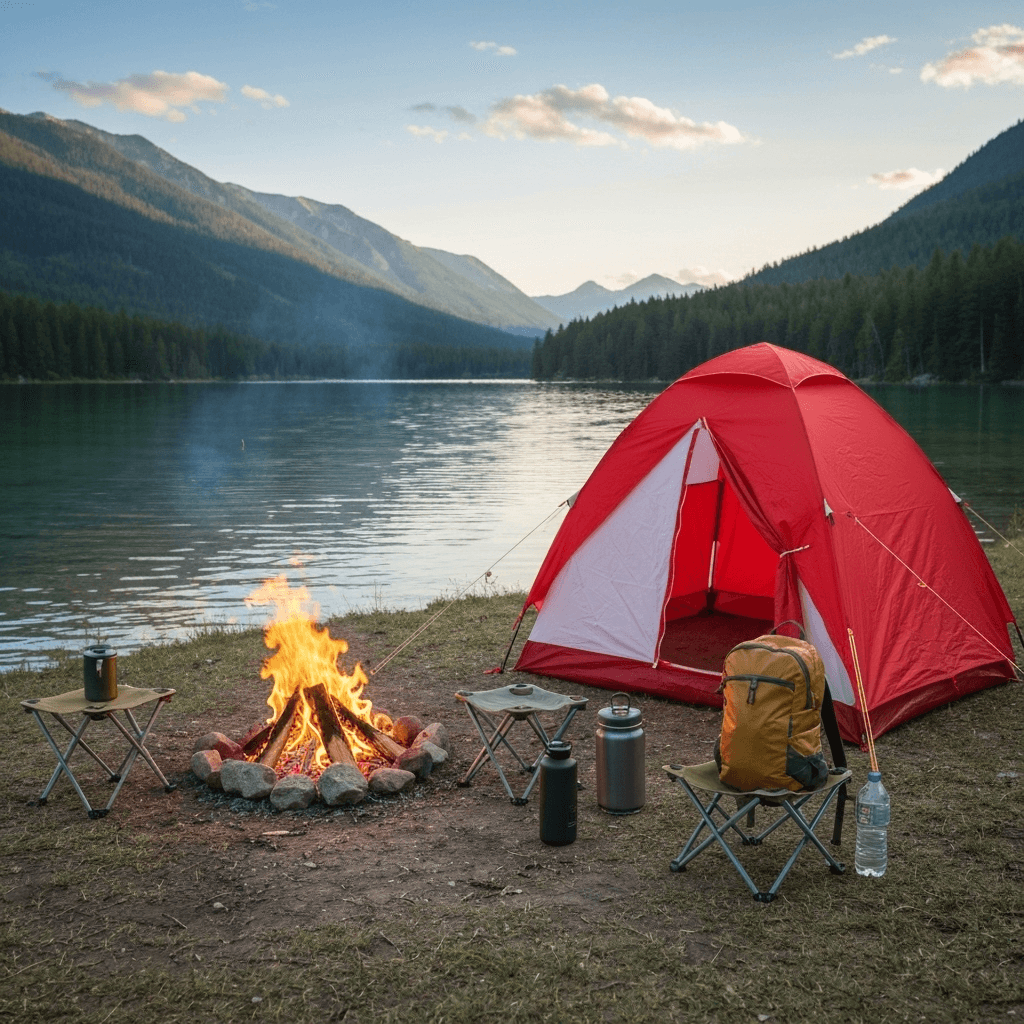
A complete two-night weekend wilderness escape costs €33–75 total — roughly €15–25 fuel, €0–15 camping (free dispersed camping in national forests or €10–15 state park sites), €15–25 food from home. Most trips land at €45. Leave Friday evening to maximise outdoor time.
The best wilderness escapes often lie within a two-hour drive of your front door. While social media showcases exotic destinations requiring expensive flights, some of the most restorative outdoor experiences happen in overlooked local areas that cost almost nothing to explore.
The Local Adventure Mindset
Local adventures require a shift in perspective. Instead of seeking the most Instagram-worthy destinations, focus on discovering the hidden gems within your region. Every area has overlooked natural spaces, forgotten trails, and underutilized outdoor recreation opportunities.
The advantages of local adventures extend beyond cost savings. You can leave Friday evening and return Sunday night, maximizing outdoor time while minimizing travel stress. Weather changes don't strand you far from home, and you gradually build intimate knowledge of your region's natural spaces.
Where Are the Best Local Wilderness Destinations Within 2 Hours of Home?
State and Regional Parks
State parks often provide the best value for weekend adventures. Entry fees typically range from €3-8 per vehicle, and many offer primitive camping for €10-15 per night. These parks frequently feature well-maintained trails, clean facilities, and diverse ecosystems within easy driving distance.
Research lesser-known state parks in your region. Popular parks get crowded and expensive, while smaller parks offer similar natural beauty with better availability and lower costs.
National Forest Dispersed Camping
National forests allow free camping in designated dispersed areas, typically 14 days maximum. These sites lack facilities but provide authentic wilderness experiences without camping fees. Use apps like Campendium or FreeRoam to locate legal dispersed camping areas.
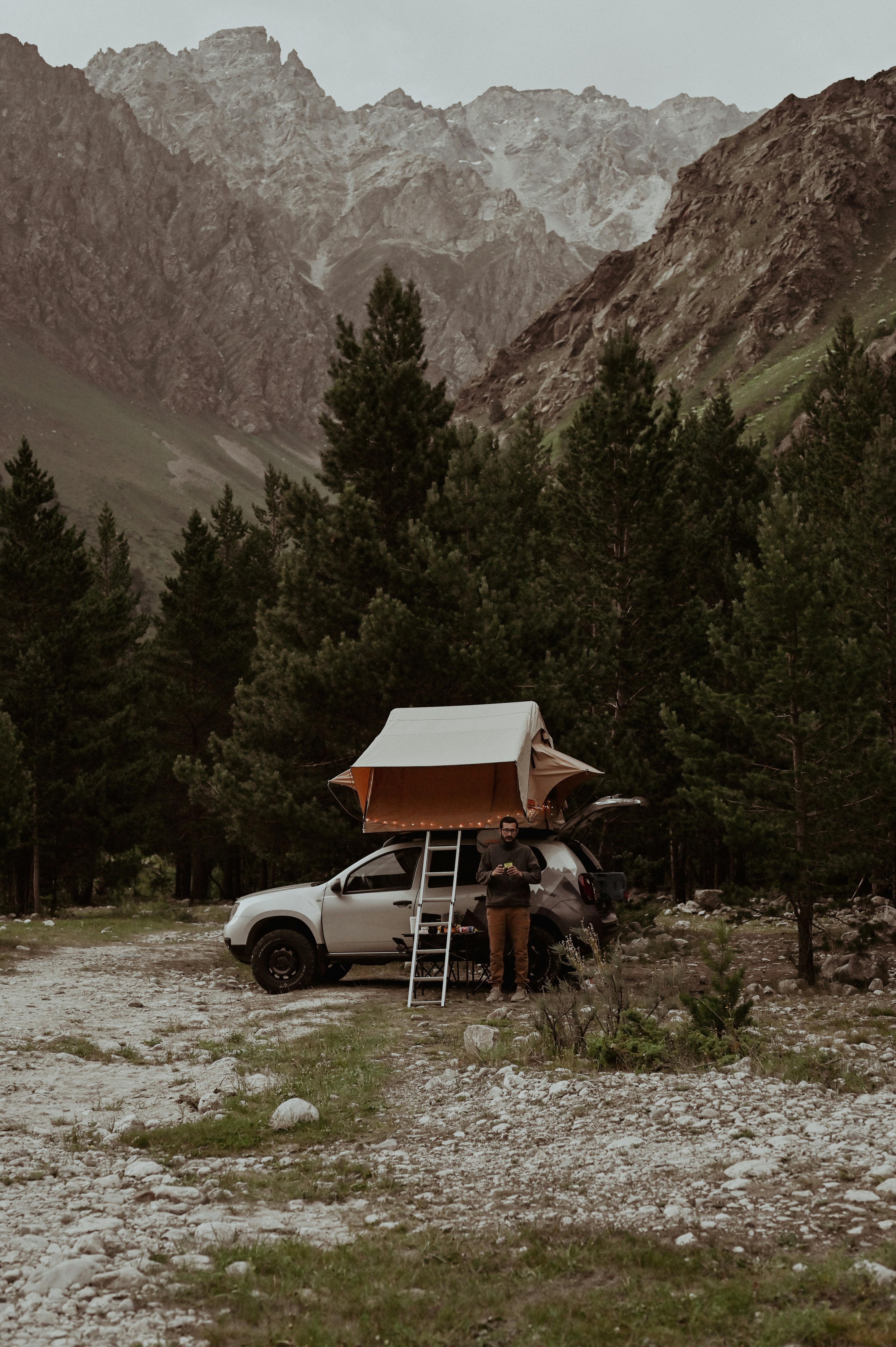
Car camping with basic gear makes weekend wilderness escapes accessible and affordable for everyone
Local Swimming Holes and Rivers
Every region has swimming holes, rivers, or lakes that locals know about but tourists miss. These spots often provide free day-use recreation with opportunities for hiking, fishing, and relaxation. Ask at local outdoor shops or check regional Facebook groups for recommendations.
Abandoned Railroad Grades and Canal Towpaths
Converted rail-trails and canal towpaths offer gentle grades perfect for hiking or cycling. Many connect small towns with interesting historical sites, local restaurants, and affordable accommodation options.
How Much Does a Weekend Adventure Actually Cost? A Real Breakdown
Here's what a typical budget weekend adventure actually costs, broken down by category:
Transportation (€15-25)
- Fuel: €12-20 for destinations within 2 hours driving
- Parking: €0-5 (many state parks include parking with entry)
- Tolls: €0-3 depending on route
Accommodation (€0-15)
- Dispersed camping: Free in national forests
- State park camping: €10-15 per night
- Day trips: €0 (return home each night)
Food and Supplies (€15-25)
- Groceries: €10-15 for weekend meals
- Snacks and drinks: €5-10
- Emergency supplies: €0-5
Park Fees and Activities (€3-10)
- Entry fees: €3-8 per vehicle
- Activity fees: €0-5 (most hiking is free)
What Money-Saving Strategies Reliably Work for Weekend Adventures?
Timing Your Adventures
Visit popular destinations during off-peak times. Many state parks offer reduced rates during shoulder seasons, and you'll encounter fewer crowds while enjoying better weather for hiking and camping.
Take advantage of free park entry days. Most states offer several free entry days annually, typically around Earth Day, National Public Lands Day, and state holidays.
Food Strategy
Pack meals from home rather than buying trail food or eating at park concessions. A simple pasta dinner costs €2-3 to prepare versus €12-15 at a park restaurant. Bring a cooler for fresh ingredients and leftovers.
Focus on one-pot meals that minimize cleanup and fuel consumption. Pasta dishes, rice bowls, and hearty soups provide satisfying nutrition without complex preparation or expensive ingredients.
Carpooling and Group Adventures
Organize group trips to split transportation and camping costs. Four people sharing a campsite and fuel costs can reduce individual expenses to €15-20 per person for an entire weekend.
Sample $45 Weekend Itinerary
Here's a real weekend adventure that costs exactly €45 and provides two full days of outdoor activities:
Friday Evening
5:00 PM: Leave work, drive to regional state park (€18 fuel)
7:00 PM: Arrive, set up camp at primitive site (€12 camping fee)
8:00 PM: Simple pasta dinner with vegetables (€3 ingredients)
9:00 PM: Evening hike to nearby viewpoint, stargazing
Saturday
7:00 AM: Coffee and oatmeal breakfast (€2)
8:00 AM: Full day hiking loop trail (8 miles)
12:00 PM: Trail lunch with sandwiches and fruit (€4)
6:00 PM: Return to camp, dinner and campfire
8:00 PM: Evening activities: reading, games, conversation
Sunday
8:00 AM: Breakfast and pack up camp
10:00 AM: Explore different trail system (€5 park entry)
1:00 PM: Picnic lunch by lake
3:00 PM: Swimming and relaxation
5:00 PM: Drive home (€1 snacks for road)
Total Cost: €45 for a complete weekend of outdoor adventure, including all meals, accommodation, and activities.
Seasonal Local Opportunities
Spring Adventures
Wildflower hikes, bird migration watching, and waterfall exploration when snowmelt creates dramatic flows. Many parks offer guided nature walks during spring months, often included with entry fees.
Summer Possibilities
Swimming holes, early morning hikes to beat heat, and extended daylight for longer adventures. Focus on shaded forest trails and water-based activities during hot weather.
Fall Experiences
Leaf-peeping hikes, mushroom foraging (with proper identification), and comfortable camping weather. Fall often provides the best combination of pleasant temperatures and stunning scenery.
Winter Options
Snowshoeing, winter photography, and cozy cabin rentals during off-season rates. Winter adventures require more gear but offer unique experiences and solitude.
Building Your Local Adventure Network
Connect with local hiking clubs, outdoor meetup groups, and regional Facebook communities. These networks share information about trail conditions, hidden gems, and group adventure opportunities.
Visit local outdoor gear shops and ask staff for recommendations. Shop employees often know the best local trails, current conditions, and seasonal highlights that guidebooks miss.
Document your discoveries and share them responsibly with others. Building a community of local adventurers multiplies everyone's opportunities while fostering environmental stewardship.
The most transformative adventures often happen closest to home. When you remove the pressure of expensive travel, you're free to explore slowly, return to favorite spots, and develop the deep connection with place that makes outdoor experiences truly meaningful.

