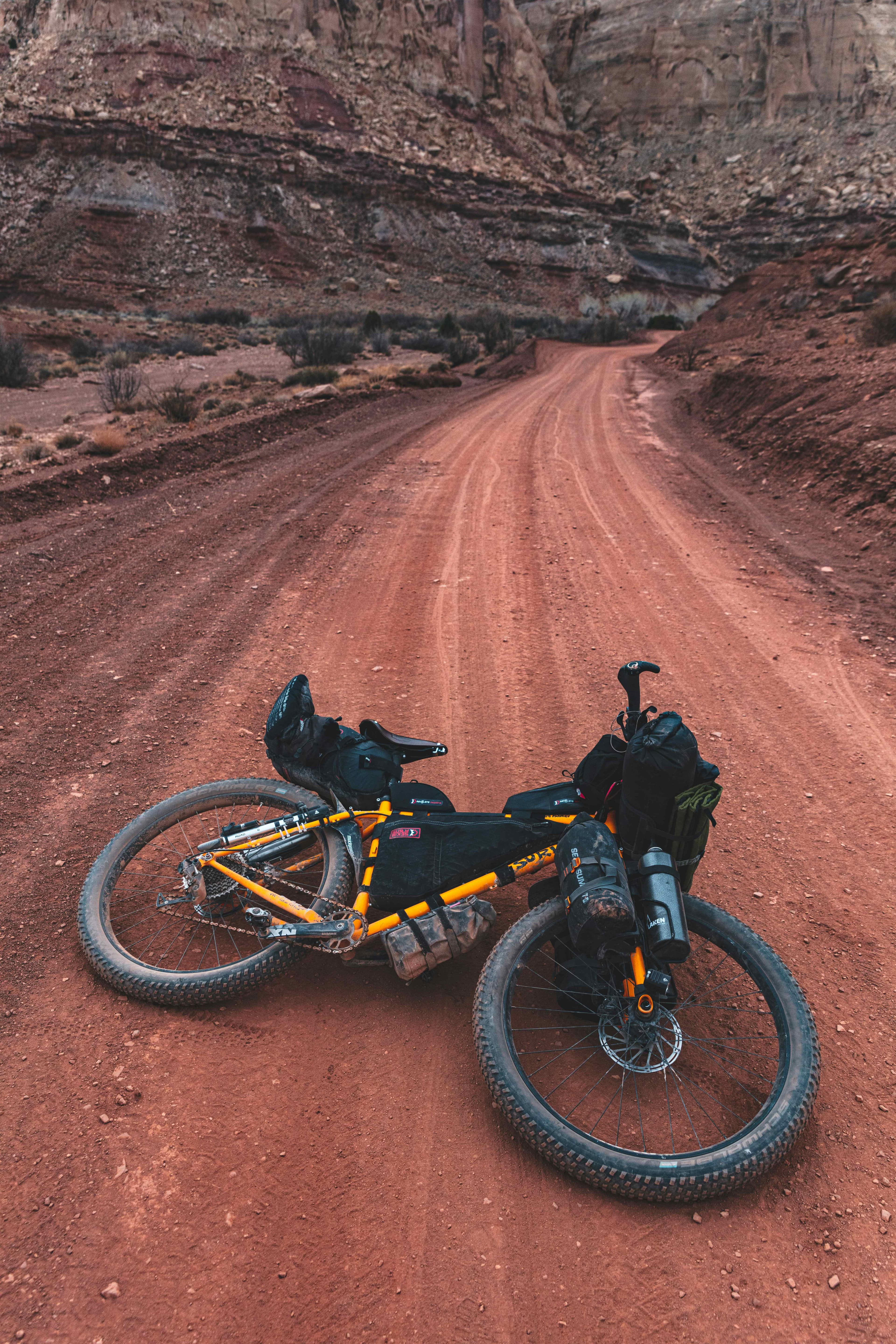
After years of exploring remote wilderness by bike, bikepacking continues to offer the most rewarding way to combine the efficiency of cycling with the intimacy of backcountry camping. The key is understanding how this approach differs from traditional touring and adapting your mindset accordingly.
What Is Bikepacking and How Does It Differ from Traditional Bicycle Touring?
Bikepacking combines the self-sufficiency of backpacking with the efficiency and range of cycling. Instead of carrying gear in traditional panniers, bikepackers use frame bags, seat packs, and handlebar rolls that keep weight centered and allow the bike to handle more like an unloaded mountain bike.
The appeal goes beyond just covering more ground than hiking. Bikepacking opens up terrain that's inaccessible to car camping but too far for day hiking. You can cover 30-50 miles per day while carrying everything needed for comfortable camping, accessing remote locations that few people ever see.
How Do You Set Up Your Bike for Multi-Day Bikepacking Trips?
Almost any bike can be adapted for bikepacking, but some designs work better than others. Mountain bikes, gravel bikes, and cyclocross bikes are ideal, while road bikes can work for less technical routes. The key is matching your bike to your intended terrain and riding style.
Your bike needs wide tire clearance (35mm minimum, 40mm+ preferred), multiple mounting points for bags and accessories, and stable geometry that handles well when loaded. Reliable components become crucial in remote areas where bike shops are nonexistent.
Essential modifications include lower gearing for climbing with a loaded bike, tubeless tire setup with sealant for puncture resistance, reliable lighting for early and late riding, and frame protection from bag rub and trail debris. Additional bottle cage mounts increase water capacity for longer stretches between resupply points.
What Bag System Should You Use for Your First Bikepacking Setup?
Bikepacking bags are designed to keep weight low and centered while maintaining bike handling characteristics. The three main bag types—frame bag, seat pack, and handlebar roll—each serve specific purposes and work together as a complete system.
Your frame bag carries heavy items like tools, food, and water, keeping the center of gravity low. The seat pack holds your sleeping system and clothing, while the handlebar roll accommodates bulky but light items like your sleeping pad. A top tube bag provides easy access to snacks and frequently needed items.
How Do You Plan a Safe and Enjoyable Bikepacking Route?
Successful bikepacking trips require careful route planning that considers terrain difficulty, water availability, resupply opportunities, and camping options. Unlike road touring, bikepacking routes often involve remote areas with limited services and challenging terrain.
Route selection should balance challenge with beauty, offering memorable experiences while staying within your skill and fitness level. Consider terrain difficulty, daily mileage appropriate for loaded riding, water sources and purification needs, and legal camping options along the route.
The best bikepacking routes aren't necessarily the most difficult—they're the ones that match your abilities while revealing landscapes and experiences you couldn't access any other way.
How Do You Handle Wild Camping and Resupply on a Bikepacking Trip?
Bikepacking often involves wild camping in remote areas, requiring Leave No Trace principles and self-sufficiency skills. Planning resupply points and understanding local camping regulations are crucial for successful multi-day trips.
Your camping strategy might include established campgrounds for amenities and security, dispersed camping on public lands following regulations, or stealth camping when legal options aren't available. Hiker/biker sites at state parks often provide affordable accommodation, while the Warm Showers network offers hosted accommodation from fellow cyclists.
What Should You Know Before Your First Bikepacking Trip?
Your first bikepacking adventure should be conservative and close to home, allowing you to test your gear, refine your systems, and build confidence before attempting more ambitious trips. Focus on learning rather than covering maximum distance.
Choose a 2-3 day trip within 2 hours of home, selecting familiar terrain or well-documented routes. Plan conservative daily distances of 20-40 miles, include bailout options and resupply opportunities, and test all gear on overnight trips before departing.
For your camping setup, see our wild camping guide for LNT principles and site selection, and our budget gear guide for affordable equipment recommendations.
Bikepacking offers a unique perspective on adventure travel, combining the efficiency of cycling with the intimacy of camping. The ability to cover significant distances while carrying everything you need opens up incredible opportunities for exploration and self-discovery that no other form of travel can match.

