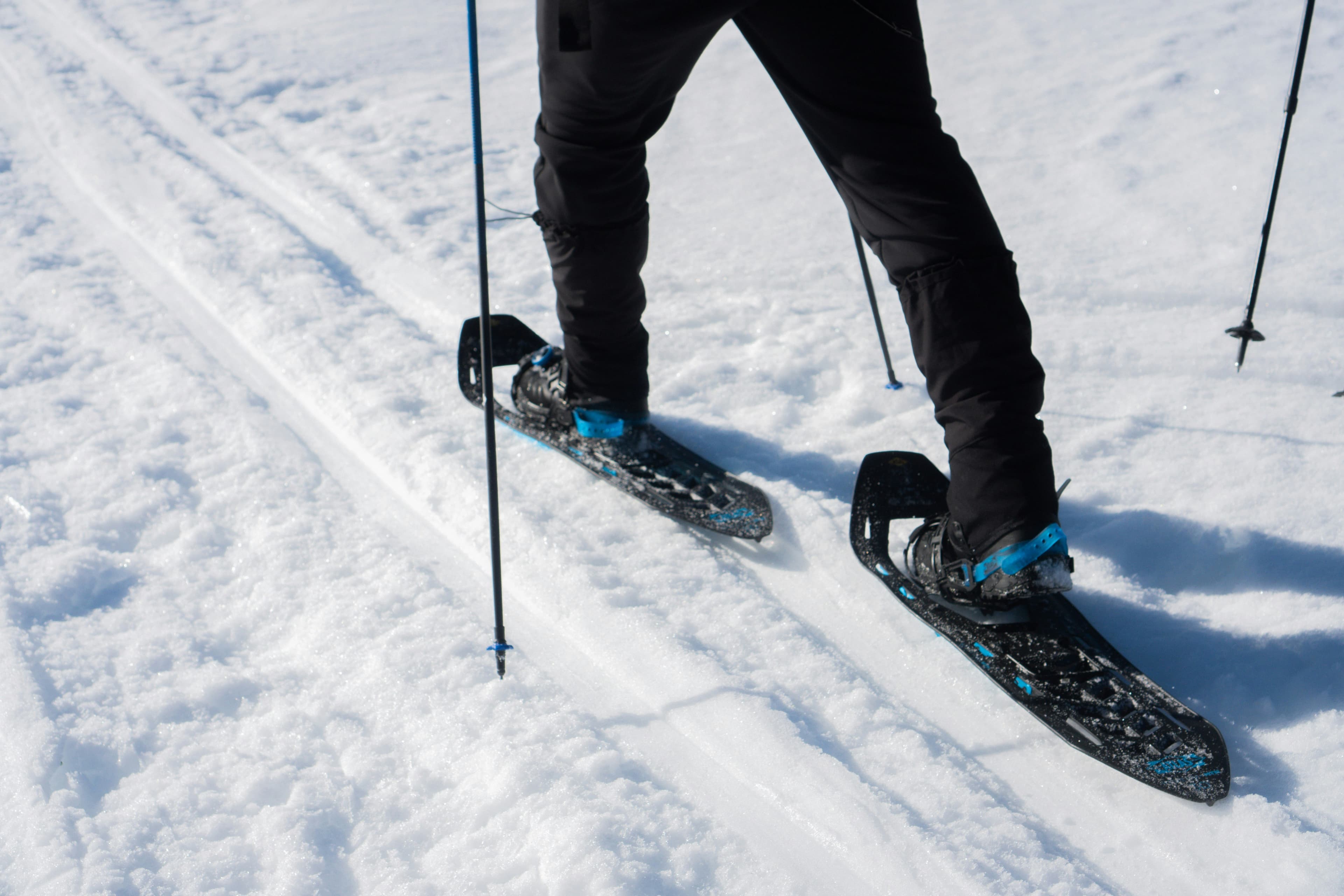
Why Should Beginners Choose Snowshoeing Over Other Winter Sports?
Snowshoeing offers unique advantages over other winter sports. It's easy to learn, relatively inexpensive to start, and provides excellent exercise while allowing you to explore winter landscapes at your own pace. Unlike skiing, there's no learning curve—you can enjoy your first snowshoeing adventure immediately.
The sport provides excellent full-body cardiovascular exercise while being low impact and easy on joints. You gain access to winter landscapes and wildlife viewing opportunities that are impossible to reach without snowshoes, making it a social activity perfect for groups and families.
Which Type of Snowshoe Is Right for Beginners?
Modern snowshoes come in three main categories, each designed for specific activities and snow conditions. Understanding these differences helps you choose the right snowshoes for your intended use and local conditions.
Recreational snowshoes are perfect for beginners and casual snowshoers, designed for flat to rolling terrain and packed trails. They're typically the most affordable option and easiest to use, with simple bindings, basic traction, and lightweight construction. These work best on groomed trails and gentle terrain with packed snow conditions.
Backcountry snowshoes are designed for off-trail adventures and steeper terrain, offering aggressive traction and durable construction for challenging conditions. They feature aggressive crampons, heel lifts, and robust bindings that handle steep terrain, deep snow, and off-trail exploration in mountainous terrain.
What Clothing and Gear Do You Need to Stay Warm and Safe Snowshoeing?
While snowshoeing doesn't require extensive gear, having the right equipment ensures comfort, safety, and enjoyment in winter conditions. Focus on layering systems, traction, and emergency preparedness.
Your footwear foundation starts with waterproof, insulated hiking boots or winter boots paired with moisture-wicking wool or synthetic socks. Gaiters keep snow out of boots and pants, while a proper layering system includes base layer, insulating layer, and shell layer. Don't forget winter hat, insulated waterproof gloves, and sun protection including sunglasses and sunscreen for intense snow glare.
Essential equipment includes trekking poles for stability and upper body workout, a day pack for water and snacks, insulated bottles or hydration bladder, emergency gear including first aid kit and emergency shelter, navigation tools like map and compass, and a headlamp for early morning or late afternoon adventures.
What Are the Basic Snowshoeing Techniques Every Beginner Should Know?
Snowshoeing technique is intuitive, but learning a few basic skills will improve your efficiency and enjoyment. Most people can start snowshoeing immediately, but proper technique reduces fatigue and increases confidence on varied terrain.
"The beauty of snowshoeing lies in its simplicity—it's walking amplified, allowing you to float over snow that would otherwise be impassable."
Proper walking technique involves maintaining a slightly wider stance than normal walking while lifting feet higher to clear the snowshoe frames. Use a natural heel-to-toe rolling motion and let the snowshoes do the work rather than fighting them. Trekking poles provide balance and rhythm, while shorter steps work better on steep or uneven terrain.
For ascending hills, use heel lifts if available and lean forward slightly. On steep ascents, kick steps or use switchbacks. When descending, keep weight centered and use poles for balance. On steep descents, lean back slightly and take smaller steps. When traversing slopes, edge the uphill side of snowshoes into the slope for better grip.
What Winter Safety Hazards Do Snowshoers Need to Know?
Winter conditions present unique challenges that require additional safety awareness. Cold temperatures, changing weather, and shorter daylight hours demand respect and preparation for safe snowshoeing adventures.
Weather awareness is critical for winter safety. Check weather forecast and avalanche conditions before heading out, understand signs of changing weather patterns, and know your limits in cold temperatures. Plan for shorter daylight hours and avoid areas with avalanche risk without proper training. Always be prepared for sudden weather changes that can transform a pleasant outing into a survival situation.
How Do You Plan a Perfect First Snowshoeing Adventure?
Your first snowshoeing experience should be positive and confidence-building. Choose easy terrain, favorable conditions, and conservative goals while you learn how your body responds to winter exercise and how your gear performs.
Start with a short, easy trail of 2-3 miles maximum on a clear, calm day with good visibility. Begin early to take advantage of daylight and go with experienced partners or join a group. Stay on marked trails or familiar terrain, plan for twice the time of summer hiking, and have a backup plan if conditions change.
For more winter activity inspiration, see our year-round seasonal budget adventure guide. Looking for free winter trails? Our free Alpine trails guide covers 12 zero-cost hikes accessible in winter.
Snowshoeing opens up a winter wonderland that most people never experience. The quiet beauty of snow-covered forests, the satisfaction of breaking trail through fresh powder, and the invigorating effects of winter exercise create memories that last long after the snow melts. Start with simple day trips close to home, and gradually build your skills and confidence to discover some of the most beautiful and peaceful places on earth.

