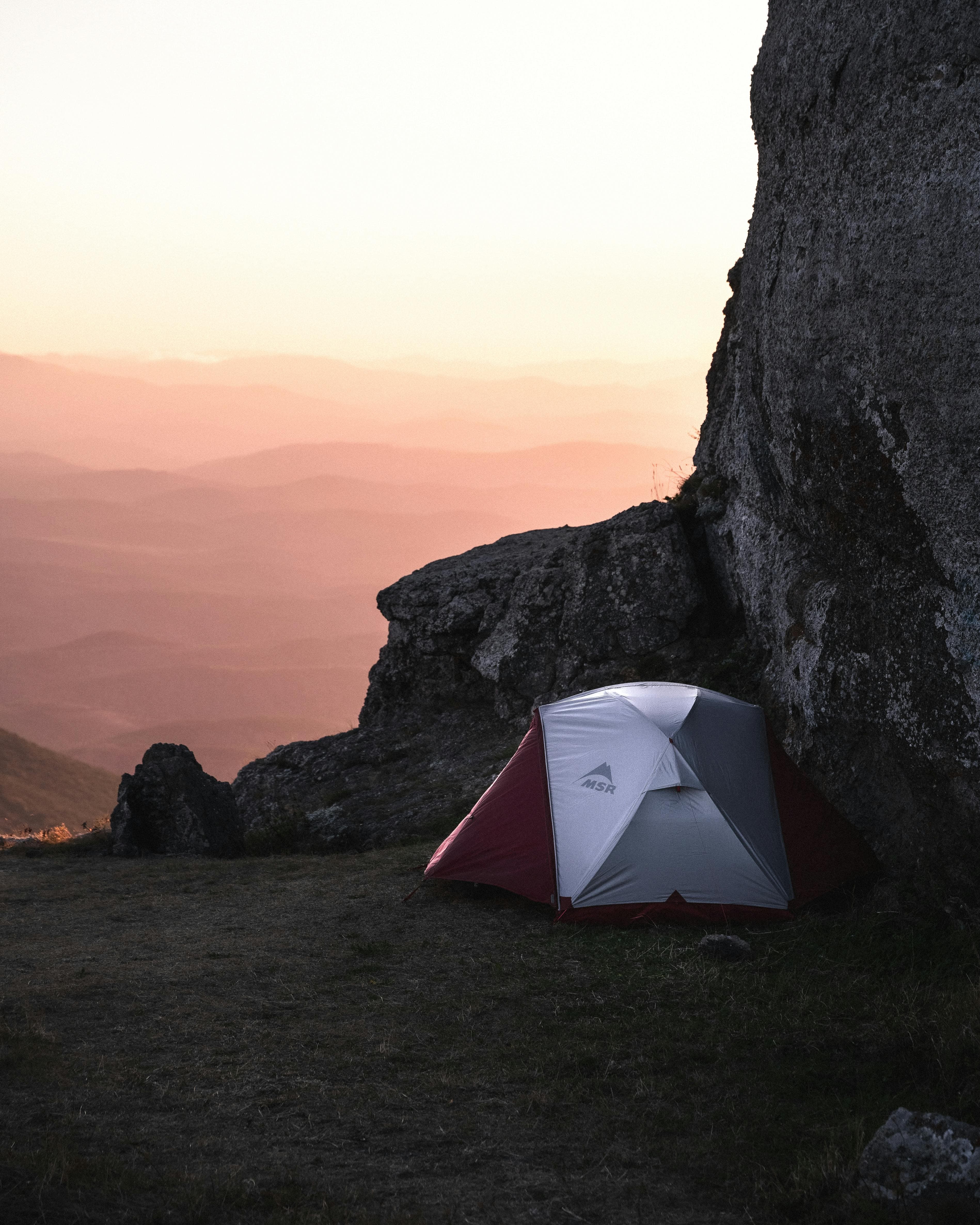
After years of exploring remote wilderness areas, the freedom of wild camping continues to offer some of the most rewarding outdoor experiences. But success requires understanding both the practical skills and the ethical responsibilities that come with this privilege.
What Is Wild Camping and Why Is It Different from a Campground?
Wild camping, also known as free camping or boondocking, is the practice of camping in natural areas without designated facilities. Unlike traditional campgrounds, wild camping means no bathrooms, no water hookups, no electrical connections, and often no cell service. It's just you, your gear, and the wilderness.
The appeal goes beyond just saving money on campground fees. Wild camping offers solitude that's increasingly rare in our connected world, the chance to develop genuine self-reliance skills, and access to pristine locations that developed campgrounds simply can't match.
What Gear Do You Actually Need for Your First Wild Camping Trip?
Wild camping requires complete self-sufficiency, which means your gear list will be more extensive than traditional camping. Every item must earn its place in your pack, balancing necessity with weight and space constraints.
Your shelter system forms the foundation of wild camping success. A four-season tent or robust three-season tent provides essential protection, while a quality sleeping bag rated for expected temperatures ensures comfortable rest. An insulated sleeping pad with an R-value of 4 or higher becomes critical for cold conditions, providing both comfort and crucial insulation from ground temperature.
Water management requires careful planning since natural sources may be unreliable or contaminated. A reliable filtration system or purification tablets, combined with collapsible water containers holding at least 2-3 liters, ensures you can safely hydrate throughout your trip. Your cooking system should include a portable stove with adequate fuel, lightweight cookware, and non-perishable food for your entire trip plus one extra day.
How Do You Find and Legally Access Wild Camping Locations?
Location selection determines both the legality and safety of your wild camping experience. Research is essential before heading out, as regulations vary significantly by location and land ownership.
National Forests generally allow dispersed camping for up to 14 days, while Bureau of Land Management areas often permit free camping with similar time limits. National Parks usually require designated backcountry permits, and state park policies vary widely. Private land always requires explicit permission from landowners.
How Do You Stay Safe When Camping Far from Civilization?
Wild camping inherently involves more risk than developed campgrounds. Proper preparation and awareness can mitigate most dangers, but you must be prepared for emergencies when help may be hours or days away.
Your emergency kit should include wilderness-specific first aid supplies, emergency shelter like a space blanket or bivy, waterproof fire starting materials, a multi-tool or knife, headlamp with extra batteries, emergency whistle, and basic repair materials including duct tape and tent patches.
How Do You Practice Leave No Trace in Pristine Wild Areas?
Wild camping puts you in pristine environments that require extra care to preserve. Following Leave No Trace principles isn't just ethical—it's essential for keeping these areas open for future wild campers.
Camp on durable surfaces like rock, gravel, or established sites to minimize impact. Keep campsites small and avoid altering the natural environment. Dispose of waste properly by packing out all trash and burying human waste 6-8 inches deep, at least 200 feet from water sources.
"Take only pictures, leave only footprints" becomes even more critical when you're camping in untouched wilderness areas where your impact could affect the experience of future visitors.
How Do You Plan Your First Wild Camping Trip Step by Step?
Your first wild camping experience should be relatively close to civilization while you learn the ropes. Choose a location with cell service or within a few miles of a road, and plan for just one or two nights to build confidence gradually.
Before departing, research your chosen location thoroughly and verify camping regulations. Check weather forecasts and fire restrictions, test all gear at home, plan your menu with extra food, download offline maps to your phone, and inform someone of your plans with an expected return time.
Wild camping opens up a world of adventure that traditional campgrounds simply can't match. For budget-smart gear recommendations, visit our budget outdoor gear guide. Looking for free hikes to pair with your wild camps? See our list of 12 free Alpine trails.

