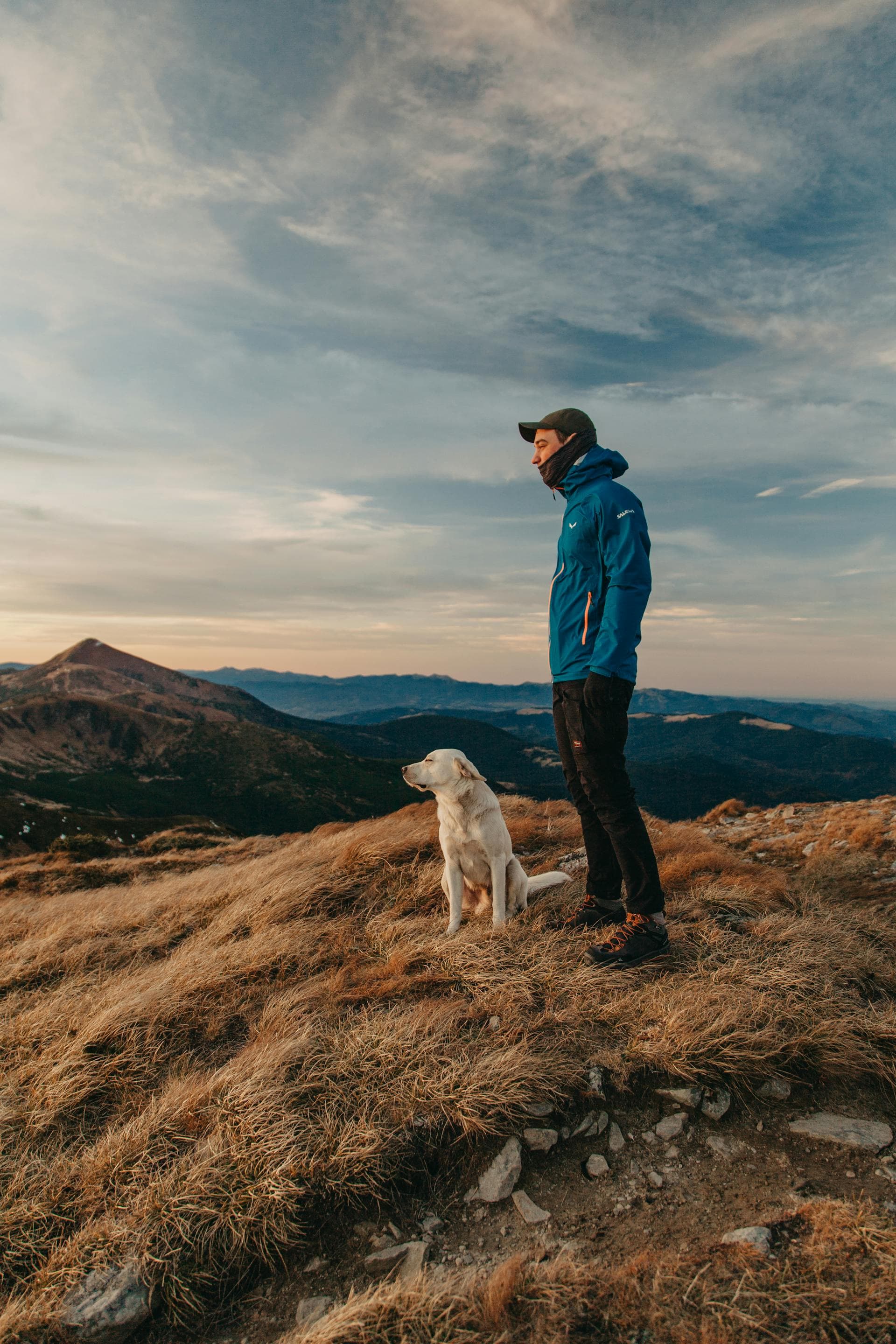
However, hiking with dogs requires preparation, training, and awareness to ensure both you and your furry friend have safe, enjoyable experiences on the trail.
What Are the Real Benefits of Hiking with Your Dog?
Hiking with your dog creates a deeper bond while providing physical and mental stimulation for both of you. Dogs experience the world differently than humans, and their enthusiasm for new sights, sounds, and smells can reinvigorate your own appreciation for nature.
Physical and mental benefits include excellent cardiovascular exercise for both dog and owner, mental stimulation from new environments, strengthened bonds through shared adventures, and improved socialization opportunities.
How Do You Physically and Mentally Prepare Your Dog for Hiking?
Successful dog hiking starts long before you hit the trail. Your dog needs to be physically fit, well-trained, and comfortable with basic commands. Just like human athletes, dogs need conditioning to build up to longer, more challenging hikes.
Start with short walks and gradually increase distance. Build up paw pad toughness on various surfaces, ensure your dog is at a healthy weight, and get veterinary clearance for strenuous activities.
Essential training commands include reliable recall ("come"), stay for rest breaks, "leave it" to prevent eating dangerous items, "wait" to control pace, and "heel" for narrow trail sections.
What Gear Does Your Dog Actually Need on the Trail?
Proper gear ensures your dog's comfort and safety while making your hiking experience more enjoyable. Invest in quality items that will withstand regular outdoor use and various weather conditions.
Must-have items include a sturdy 6-foot leash, comfortable harness for better control, collapsible water bowls, and a dog backpack to let your pet carry their own supplies. Don't forget paw protection for rough terrain and basic first aid supplies.
How Do You Keep Your Dog Safe and Well-Behaved on the Trail?
Responsible dog hiking means following trail etiquette, respecting wildlife, and ensuring your dog doesn't negatively impact other hikers' experiences. Good trail manners keep trails open for dogs and create positive interactions with other outdoor enthusiasts.
Trail etiquette includes keeping dogs on leash unless in designated off-leash areas, yielding right-of-way to other hikers, controlling your dog around others, and always packing out dog waste. Prevent your dog from chasing wildlife and keep them quiet to preserve the natural soundscape.
How Do You Know When Your Dog Has Had Enough on the Trail?
Dogs can't verbally communicate when they're tired, overheated, or experiencing discomfort. Learning to read your dog's body language and behavior is crucial for preventing problems and ensuring their well-being on the trail.
A tired dog is a happy dog, but an exhausted dog is a liability. Know the difference and always err on the side of caution.
Warning signs include excessive panting (overheating), lagging behind (fatigue), seeking shade (cooling down), excessive drooling (heat stress), limping (injury), and loss of enthusiasm. Take frequent water breaks, find shade during rest stops, and check paws regularly for cuts or wear.
How Do You Plan a Successful First Hike with Your Dog?
Your first hiking adventure with your dog should be a positive experience that builds confidence for both of you. Choose an easy trail, pack extra supplies, and focus on establishing good habits rather than covering maximum distance.
Choose a short, easy trail (2-3 miles maximum), pick a dog-friendly location with water access, start early to avoid heat and crowds, and bring twice as much water as you think you'll need. Pack high-value treats for training reinforcement and have a backup plan if you need to turn around early.
For trail ideas, see our 12 free Alpine hiking trails — many are dog-friendly. For affordable gear to kit out both you and your dog, visit our budget outdoor gear guide.
Hiking with dogs opens up a world of shared adventures and creates memories that will last a lifetime. The key to success is preparation, patience, and always prioritizing your dog's well-being over reaching any particular destination.

