Wanderbase Logo
The Wanderbase
Hiking GuidesAdventure BlogAbout UsExplore our Guides
Back to Blog
March 30, 2024•Budget Travel•15 min read

Insider Tips from Budget Backpackers: Save Money on Your Next Adventure

Learn from experienced budget backpackers who've mastered the art of affordable adventure. Practical wisdom, money-saving strategies, and insider tips for your next budget trip.

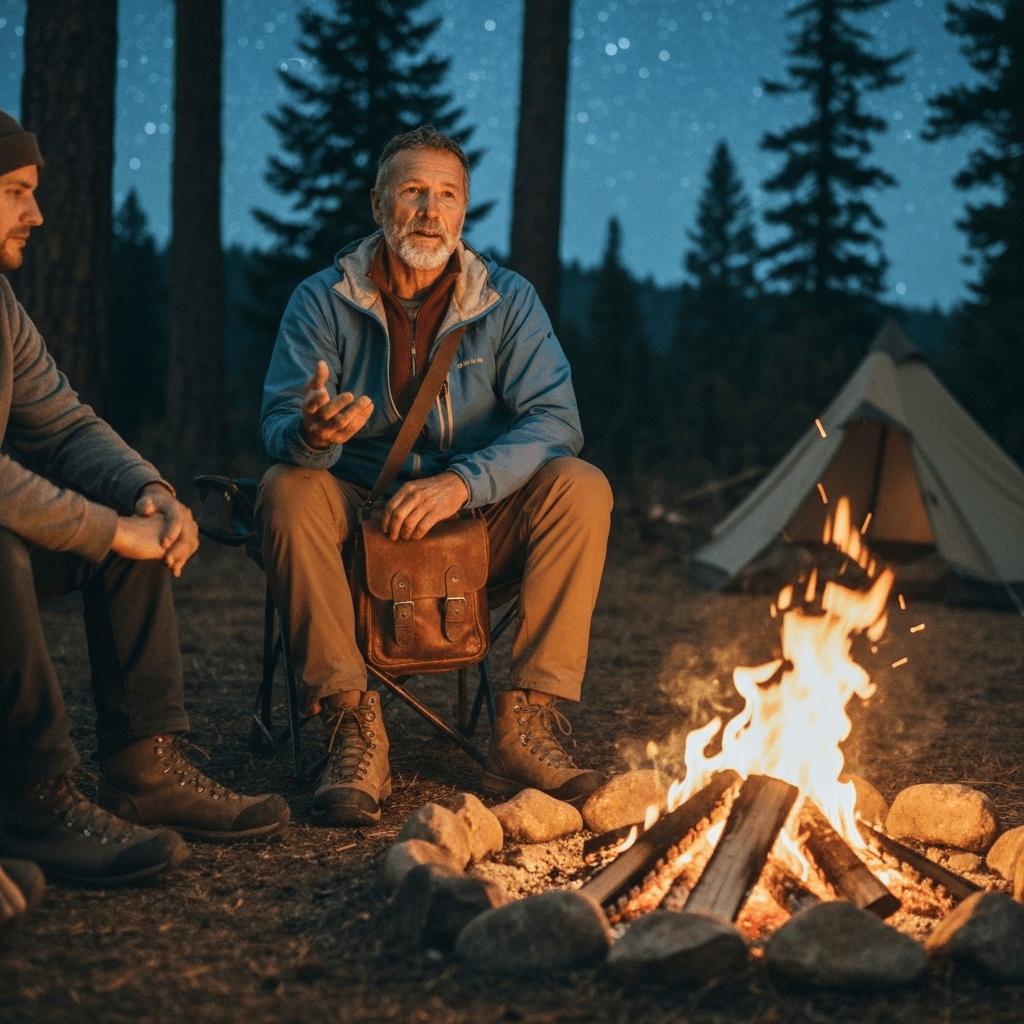
Insider Tips from Budget Backpackers: Save Money on Your Next Adventure - Adventure scene

The most valuable adventure advice doesn't come from expensive guidebooks or gear catalogs—it comes from experienced budget backpackers who've learned to maximize adventure while minimizing costs through years of trial, error, and creative problem-solving.

What Do Budget Backpackers Know That Tourists Don't?

Successful budget backpackers prioritize experiences over comfort, embrace uncertainty as adventure, and understand that constraints often lead to more creative and memorable experiences. They've discovered patterns that save thousands while creating unforgettable memories.

How Does Flexible Scheduling Cut Costs by Up to 70%?

Traveling during shoulder seasons (April–June, September–October) offers 60% of the experience for 30% of the cost. Budget backpackers also book midweek when flights and accommodation are 40–60% cheaper than weekends, and they maintain flexibility to capitalize on unexpected opportunities.

Why Choose Public Transit Over Car Rentals?

Car rentals seem cheaper until you add fuel, parking, insurance, and stress. Public transport forces you to interact with locals, discover hidden neighborhoods, and often costs 50–70% less than rental cars when all expenses are included.

What Essential Apps Do Budget Backpackers Use?

Accommodation: HotelTonight (last-minute deals), Hostelworld (budget lodging), local Facebook groups

Transport: Omio (transport comparison), BlaBlaCar (ridesharing), airline apps for flash sales

Food: Too Good To Go (restaurant deals), local market apps, Happy Hour apps

How to Cook Satisfying Meals While Backpacking

The five-ingredient rule: pasta, olive oil, garlic, parmesan, and whatever local vegetables are cheapest. Shop at local markets, master one-pot cooking, and save €15–25 per day compared to restaurant eating — enough to extend your trip significantly.

"Budget backpacking isn't about deprivation—it's about prioritizing experiences over possessions, connections over comfort, and adventure over amenities. The constraints force creativity, and creativity leads to the most memorable adventures." - Budget Backpacker Community
Frequently Asked Questions

Everything you need to know about insider tips from budget backpackers: before your next affordable adventure

Flexible scheduling is the most impactful cost reducer — traveling during shoulder seasons (April–June, September–October) and on weekdays rather than weekends can cut accommodation costs by 30–50% and transport by 20–30%. Combined with cooking your own meals from local markets, these two habits alone can reduce trip costs by 50–70%.

Experienced budget backpackers use a hierarchy: free camping or wild camping first, then Couchsurfing, hostel dormitories, and budget guesthouses. Loyalty to platforms like Hostelworld or Booking.com builds rewards. Longer stays negotiate weekly discounts. House-sitting and work exchanges eliminate accommodation costs entirely for extended travel.

The essential toolkit: Too Good To Go for discounted surplus restaurant meals (saves 50–70% on food), Omio or Rome2Rio for cheap transport comparisons, Maps.me for offline navigation, Couchsurfing for free accommodation and local connections, and Workaway for accommodation-in-exchange-for-work opportunities.

Most experienced travelers maintain a reserve of 20–25% of total trip budget untouched for emergencies. They use travel insurance with medical evacuation coverage (€30–60 for a month), carry a backup credit card from a different network (Visa + Mastercard), and keep €100–200 in cash in a separate location from their main wallet.

Cost-cutting becomes dangerous when it compromises food safety (avoiding street food in hygiene-risk areas), shelter security (choosing accommodation in unsafe neighborhoods), or health (skipping travel insurance or vaccinations). The 20% emergency buffer is non-negotiable. Never sacrifice safety for savings — the medical bills or rescue costs dwarf any savings.

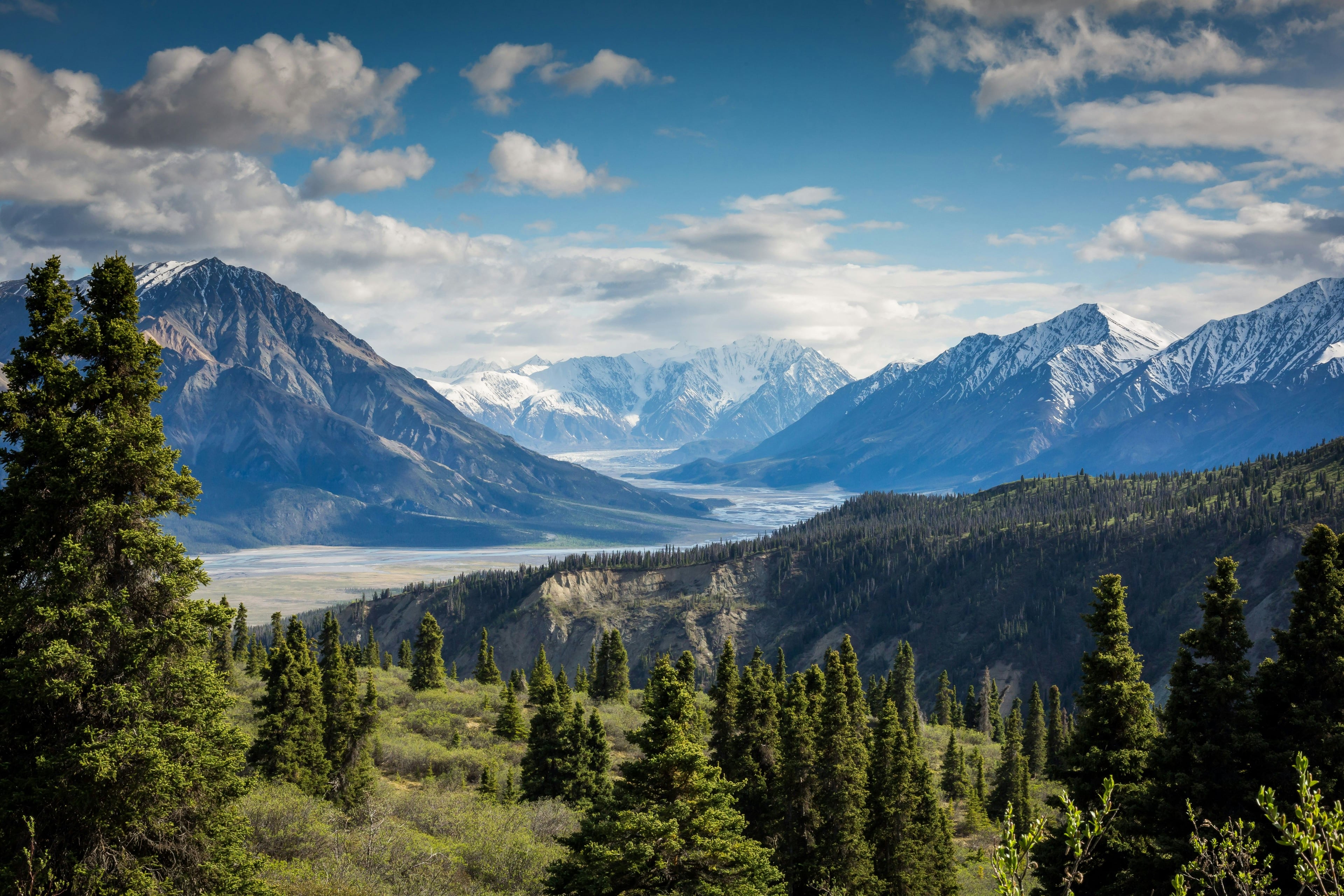
Misty mountain landscape with evergreen trees

Adventure starts in your inbox

Get smart hiking tips, destination inspiration, and gear essentials — delivered on a regular base to fuel your next adventure.

We respect your inbox. Privacy & Cookie Policy.

Wanderbase Logo
The Wanderbase

Your trusted companion for outdoor adventures — offering expert guides and inspiring stories to fuel your next journey, made for the cost-conscious explorer.

Follow us on Instagram

Explore

  • Guides
  • Adventure Blog
  • About Us
  • Privacy & Cookie Policy
  • Legal Notice

© 2026 Wanderbase. All rights reserved.